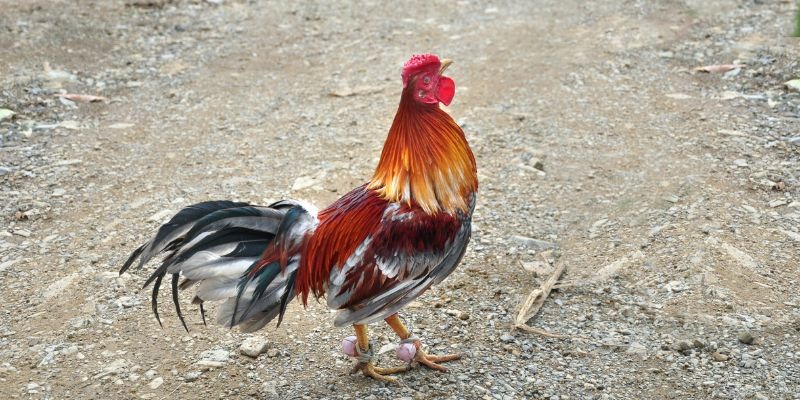
In Vietnamese culture, fighting roosters are not simply domesticated animals but also symbols of tradition, fighting spirit, and the unwavering passion of cockfighting enthusiasts. Cockfighting clubs are places where players and enthusiasts gather to exchange experiences, develop skills, and maintain their enthusiastic competitive spirit. This article 78win đăng nhập will help you better understand cockfighting clubs, from their formation and operation to their benefits, helpful tips, and potential risks at each stage.
Cockfighting ClubCockfighting has become an integral part of the community life of traditional cockfighting enthusiasts in Vietnam. From their early days, these clubs have not only served as training grounds but also preserved and promoted folk cultural values, acting as a bridge between generations who love this sport.
Who is the Cockfighting Club? – Discover the target audience and formation criteria.

Cockfighting ClubIt typically attracts a diverse group of participants from various backgrounds. Over time, this club has evolved from simply a gathering place for chicken enthusiasts into a community of educators, researchers, and even passionate collectors and breeders of skilled fighting chickens.
Participants are typically divided into groups based on age, education level, interests, or purpose. This allows the club to operate flexibly and cater to a wide range of individuals. Members may include amateur chicken breeders, experts in chicken care and training, or even dedicated enthusiasts with a passion for learning and sharing their experience in cockfighting.
The formation of a cockfighting club is usually based on several important criteria such as: dedication, knowledge of care, fighting tactics, and the ability to cooperate. A professional and active club also requires connection and maintaining a foundation of honesty and mutual respect within the community. Many prominent clubs also organize workshops and experience-sharing sessions, thereby attracting more and more participants and developing the traditional cockfighting movement.
Establishing a club also requires attention to legal factors and local regulations to avoid legal troubles, while ensuring safety and accountability during the organization process. Ultimately, successful cockfighting clubs are places where passion, pride, and a will to preserve traditional national cultural values converge through the achievements of the competing roosters.
Step-by-step guide – Organizing an effective cockfighting club
Organizing a cockfighting club requires a clear process, from initial planning to ongoing activities, all of which need careful and professional preparation. Below is a step-by-step guide to help you build and maintain a cockfighting club to share your passion effectively and sustainably.
First, clearly defining the objectives and target audience is the most important step. The objective could be to maintain and further develop the tradition of cockfighting, or to expand the community of cockfighting enthusiasts in the area. The target audience also needs to be clearly defined to suit the operational system and the venue. Next, choose a suitable location, such as a large, covered area, ensuring safety and convenience for training and competitions.
Next, develop a specific activity plan, including fixed programs such as training, competitions, meetings to exchange experiences, and organizing cockfighting festivals. It is necessary to establish regulations within the club, such as chicken care procedures, competition rules, and regulations regarding member participation, in order to maintain order and professionalism. In addition, emphasis should be placed on educating members about ethics, honesty, and mutual respect within the community to avoid unnecessary conflicts.
Equally important is focusing on building a team of dedicated and responsible members. During operation, clubs should organize training classes and experience-sharing sessions to help members improve their skills in raising and training fighting roosters. Simultaneously, maintaining regular social gatherings and competitions will help the fighting rooster community become more cohesive and thrive. Good financial management and effective community activities are key to the club’s continued success.
Only when the process through these steps is carried out systematically and clearly can the cockfighting club develop sustainably, becoming a gathering place for true cockfighting enthusiasts, contributing to the preservation and promotion of Vietnam’s traditional cockfighting culture.
The advantages and disadvantages of cockfighting clubs – Things to consider.
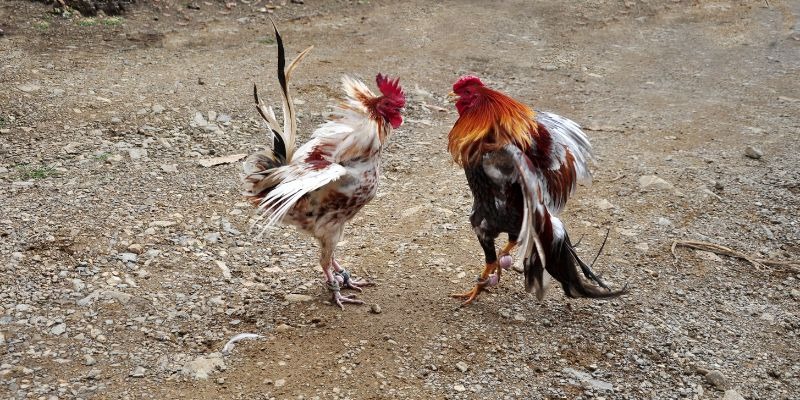
During its establishment and operation, the cockfighting club has brought many benefits that far outweigh the initial difficulties or limitations. Understanding both the positive aspects and the risks will help members and management take appropriate measures to preserve the professional and cultural values and ensure the safety of the community.
One of the clear benefits of cockfighting clubs is promoting community activities, creating a healthy playground, and strengthening solidarity and interaction among members. In addition, raising fighting roosters helps to raise awareness of responsibility, improve animal care skills, and promote national cultural traditions through each competition. The clubs also serve as places for sharing and learning experiences, helping members improve their fighting skills and techniques, contributing to the development of a healthy and sustainable cockfighting movement.
However, alongside its positive aspects, cockfighting clubs also face many limitations, such as legal issues, ethical controversies, and violence. In many localities, traditional cockfighting activities may encounter difficulties due to legal regulations on combating violence and protecting animals. Some clubs also face internal disputes and a lack of transparency in management, leading to negative perceptions or loss of reputation.
Limitations in training skills and inadequate equipment are also realities that make it difficult for clubs to maintain the quality of their activities. Strengthening legal awareness, protecting the environment, and caring for animals according to standards are important aspects that management needs to consider to minimize risks and preserve the positive image of this movement in the community.
Helpful tips for the sustainable and effective development of cockfighting clubs.
To improve the quality of operations and ensure the continuous development of cockfighting clubs, there are some helpful tips from managers, experts, or idols in the traditional cockfighting world. These secrets not only help maintain the movement but also help clubs become more professional and attractive to the community.
Selecting and caring for fighting roosters correctly is a crucial factor for success. Each rooster needs thorough health checks, proper nutrition, and appropriate training to avoid common diseases such as parasites, skin infections, or problems with its legs and claws. Proper care also helps the rooster maintain its form and increase its fighting ability, leading to long-term success.
Training fighting roosters through appropriate exercises, combined with fighting tactics and the ability to maintain their mental fortitude, is the key secret. Many experts share that training must be regular and consistent, using a combination of scientific and traditional methods to improve the rooster’s fighting ability. In particular, this process requires careful observation and adjustments tailored to each individual rooster to maximize its potential.
Furthermore, building good relationships among members, upholding ethics, and prohibiting violence or cheating in competitions will create a healthy and sustainable environment. Clubs should also pay attention to close coordination with relevant authorities to ensure that activities are conducted legally and without controversy or offense. These small tips, if applied correctly, will help cockfighting clubs develop in a positive direction, contributing to the preservation of the nation’s traditional beauty.
Risks to be aware of in the operation of a cockfighting club.
Activities within community cultural sectors, such as cockfighting clubs, are not immune to potential risks that need to be anticipated and mitigated. These risks can affect reputation, legal standing, and even community safety; therefore, each club needs a suitable response strategy to minimize negative impacts.
Mainly, cockfighting clubs often face legal troubles due to activities related to organizing illegal competitions or the potential violation of animal protection laws. During the competition process, failure to comply with legal regulations can lead to administrative penalties or criminal prosecution. Therefore, proper registration, obtaining permits, and organizing transparent competitions are prerequisites for minimizing risks.
Furthermore, issues such as violence, internal conflicts, cheating in competitions, or involvement in illegal activities like illegal gambling are also risks that require special attention. Clear rules and strict control mechanisms are needed to handle violations and avoid misunderstandings or undesirable consequences.
Finally, health and safety risks to the chickens can also arise from improper breeding and training methods, or accidents during fights. Clubs need to have appropriate preventative measures and medical care plans to minimize losses, while also investigating and promptly addressing incidents to ensure the image and sustainable operation of the traditional cockfighting movement.
FAQs – Frequently Asked Questions about the Cockfighting Club
Is the cockfighting club suitable for beginners?
Cockfighting club activities are suitable for everyone, including beginners. You will receive guidance from older or more experienced members, helping you quickly get acquainted and grasp the necessary skills.
What criteria are used to evaluate a professional cockfighting club?
A professional club needs to have clear organizational procedures, comply with the law, operate transparently, and have a good reputation in the community. All members must uphold the ethics and traditions of the sport.
How can we ensure that the club’s operations are legal?
It is necessary to register and operate in accordance with the law, obtain licenses to organize competitions, and raise chickens according to standards. Avoid illegal gambling activities and ensure safety and legality in all operations.
Is it necessary to participate in competitions or tournaments?
Participating in tournaments is a great way to improve skills, showcase the chickens’ abilities, and connect with the community. However, it’s important to choose a suitable tournament that meets safety standards and conditions.
What preparations do cockfighting clubs need to make for long-term development?
It is necessary to build a team of professional managers, preserve traditional values, comply with legal regulations, maintain active operations, and at the same time take good care of fighting roosters and maintain the reputation of the community.
Summary
In the journey of building and developing a cockfighting club, we are not simply organizing competitions or training roosters, but also contributing to preserving and transmitting national cultural values through each victory of these little warriors. From identifying the target audience, guiding implementation, managing benefits and limitations, to applying effective strategies to maintain operations, all require dedication, responsibility, and deep understanding.
Despite facing numerous challenges, cockfighting clubs have always maintained their passion, contributing to building a united community and promoting the sustainable development of this traditional movement. We need to continue to uphold this tradition, while simultaneously raising awareness of the law and ethics, ensuring that activities are conducted within the legal framework, and aiming for a cockfighting scene that is both traditional, modern, and humane.
Let cockfighting clubs become symbols of pride, inspiring and preserving the precious cultural heritage of the Vietnamese nation in the new era.

